Loading

The Everyday Subscription.Never run out of good socks.
Pick your everyday pairs once. Fresh ones arrive every month, shipping free. Change or pause anytime.
A sock is the only garment most people own that they will spend a whole day inside and then treat as disposable. These are the house rules, eleven of them, in the order you meet them, for keeping a good pair good. Follow them and a pair of ours will still be a pair in three years. Ignore rule nine and it will not see out the month.
Illustrations by Sakshi Narke
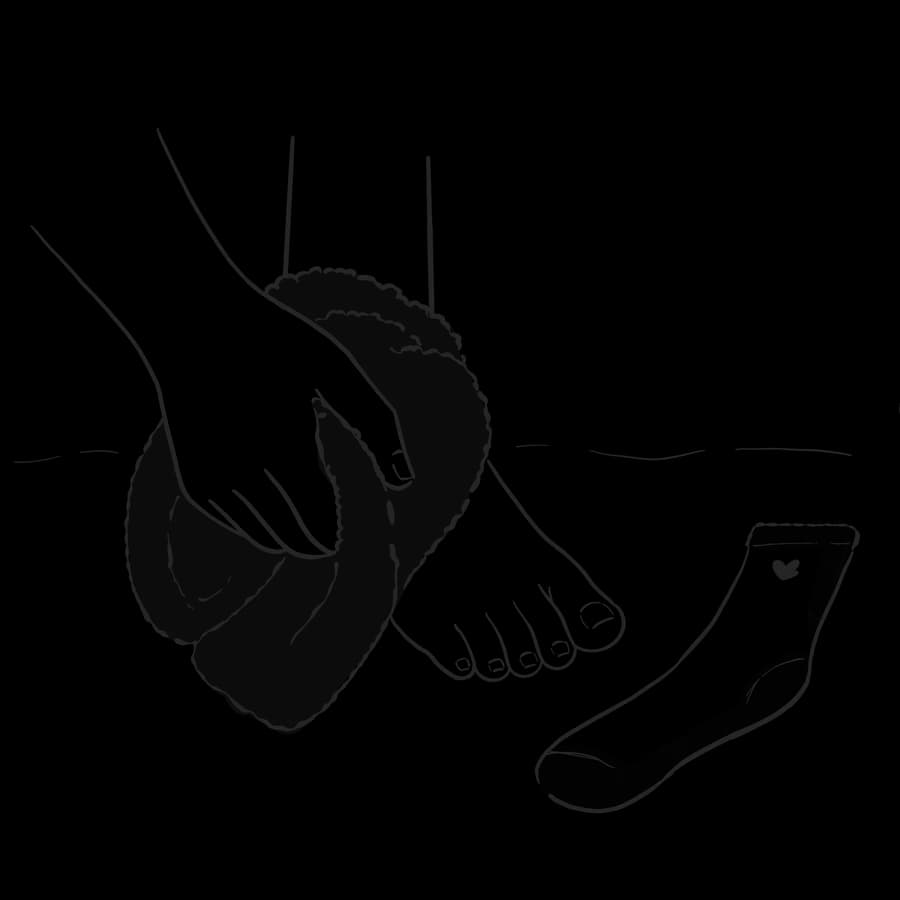
Cotton is hygroscopic: it will take up whatever it is put on. A sock pulled onto a damp foot starts its day already wet, and a wet sock abrades against itself with every step. Two minutes with a towel buys you months.
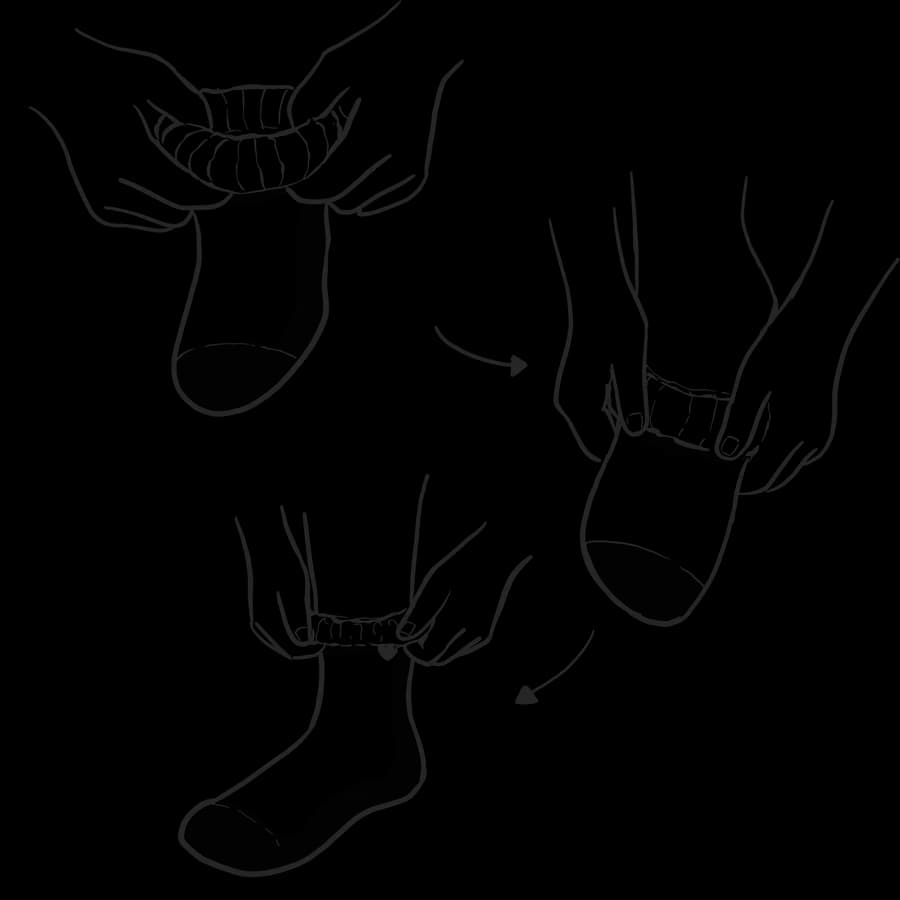
Gather the leg down to the heel, place the toe, then unroll. Dragging a sock up by its cuff is what destroys the cuff, and the cuff is the part that decides whether it stays up in year two.
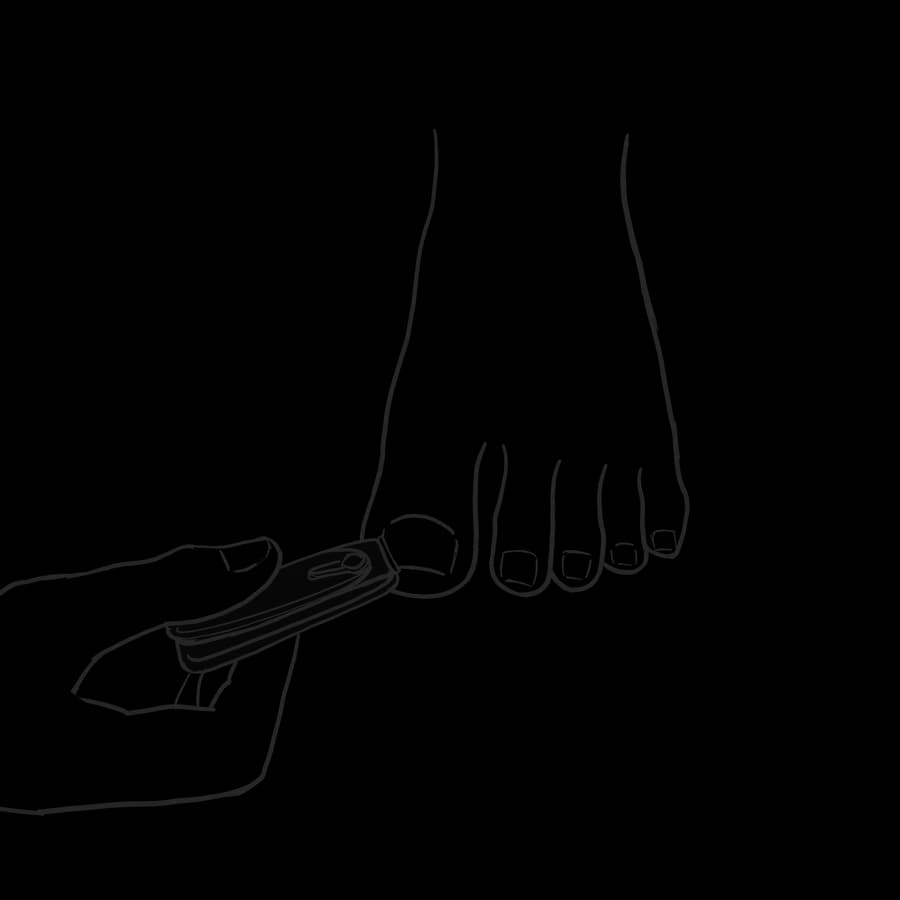
It is the least glamorous line on this page and the single biggest cause of a hole in the toe box. Nothing knitted survives a nail edge.

Fibres recover their crimp when they are dry and unloaded. A sock worn on alternate days outlasts the same sock worn daily by a long way, which is the honest argument for owning six pairs rather than two.
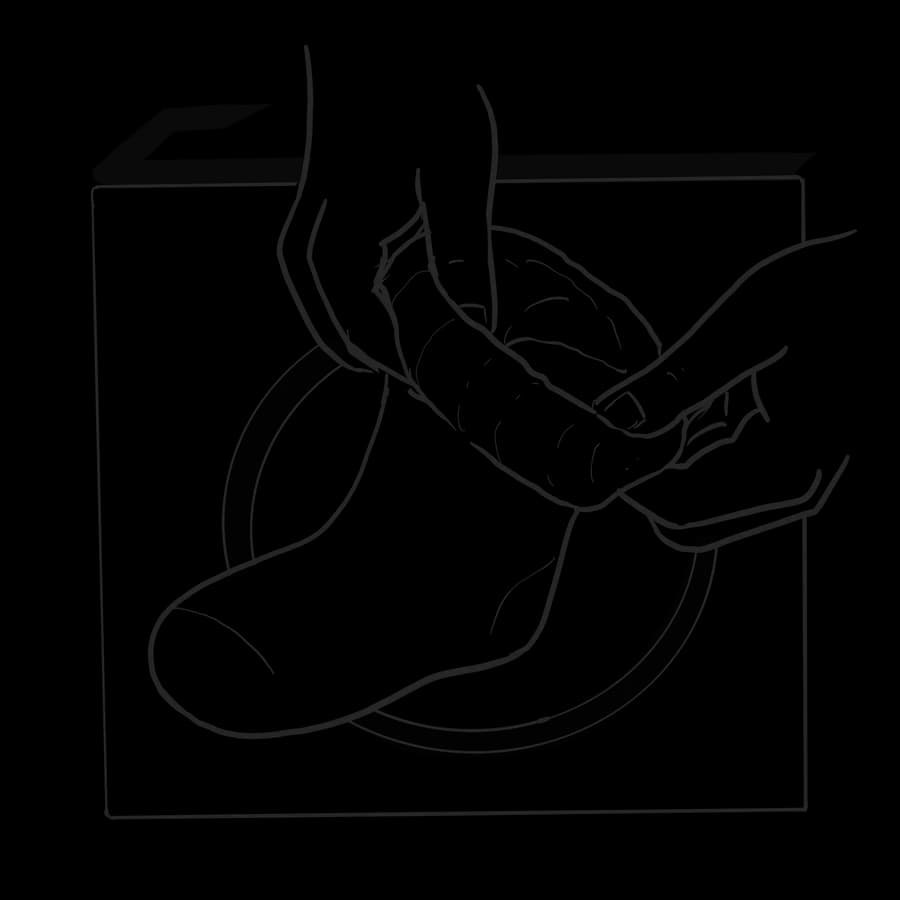
The inside is the side that has been against skin, so that is the side that needs the water. It also puts the face yarn, and any grip print, on the inside of the drum, away from zips and hooks.

Hot water is what shrinks cotton and what slackens a rib cuff. Cold wash, like colours, gentle cycle. For merino blends, the wool cycle.
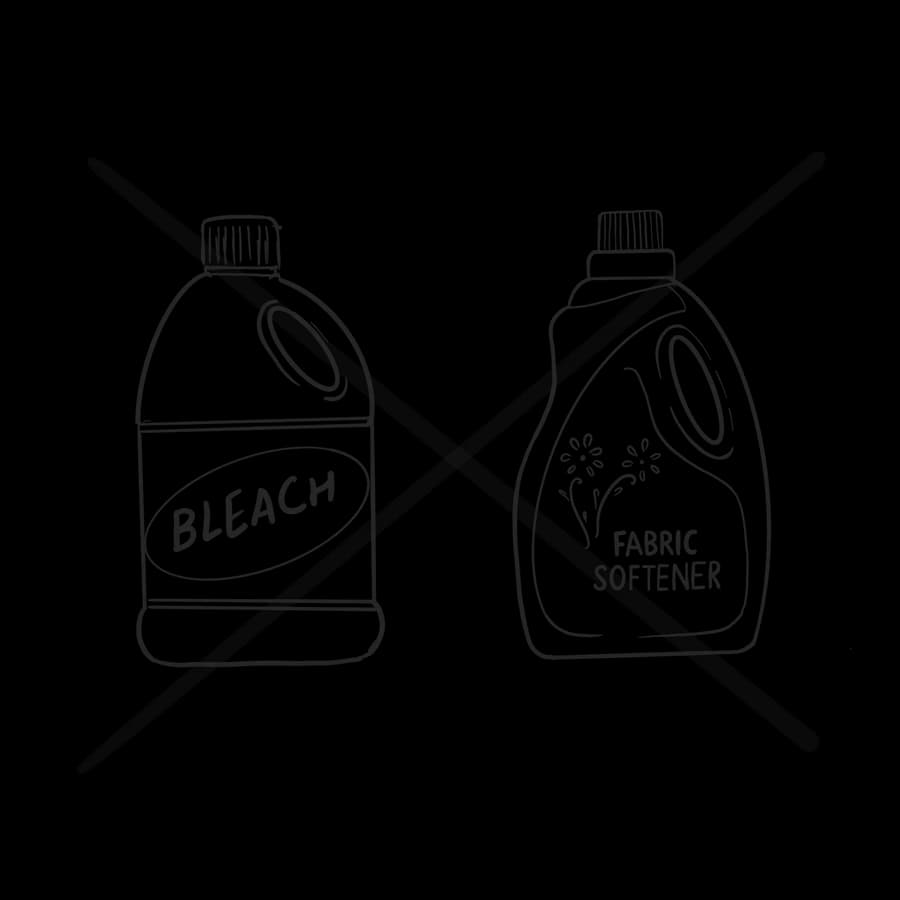
Bleach eats cotton and yellows white. Softener is a wax: it coats the fibre, which is exactly what stops an absorbent sock from absorbing. If they smell, the answer is more water and less detergent, not more chemistry.
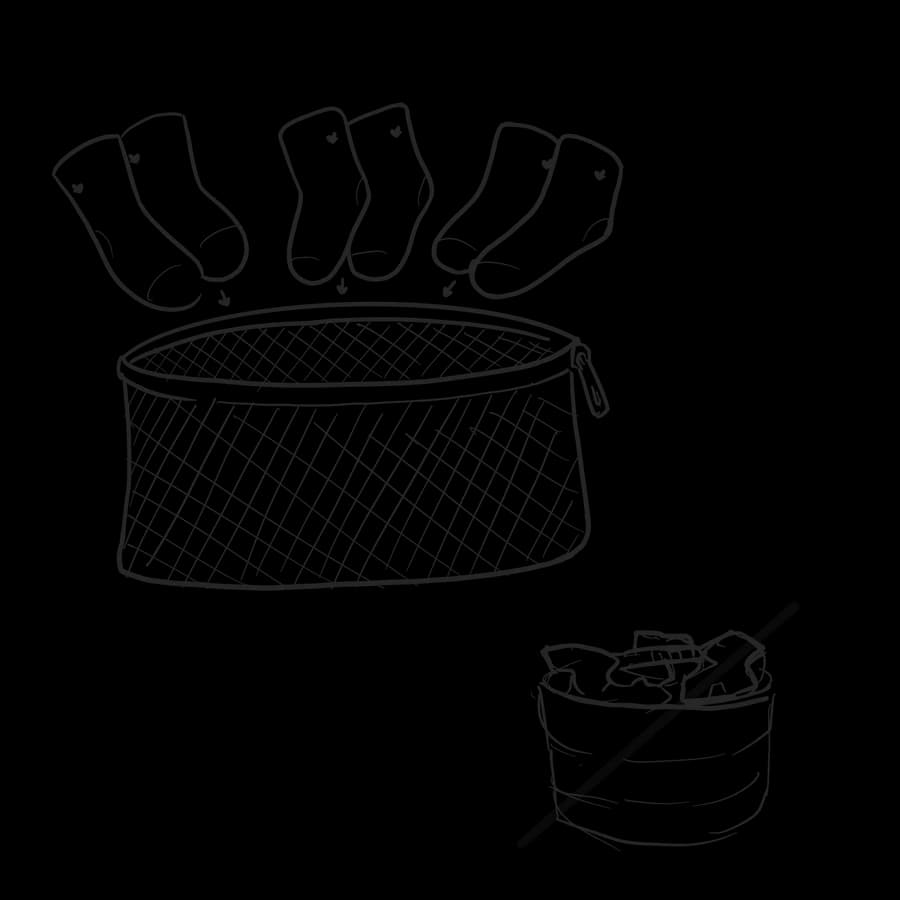
Denim rivets, bra hooks and zips are the three things that will pull a loop out of a fine gauge knit. A mesh bag costs less than one pair and settles the argument permanently.
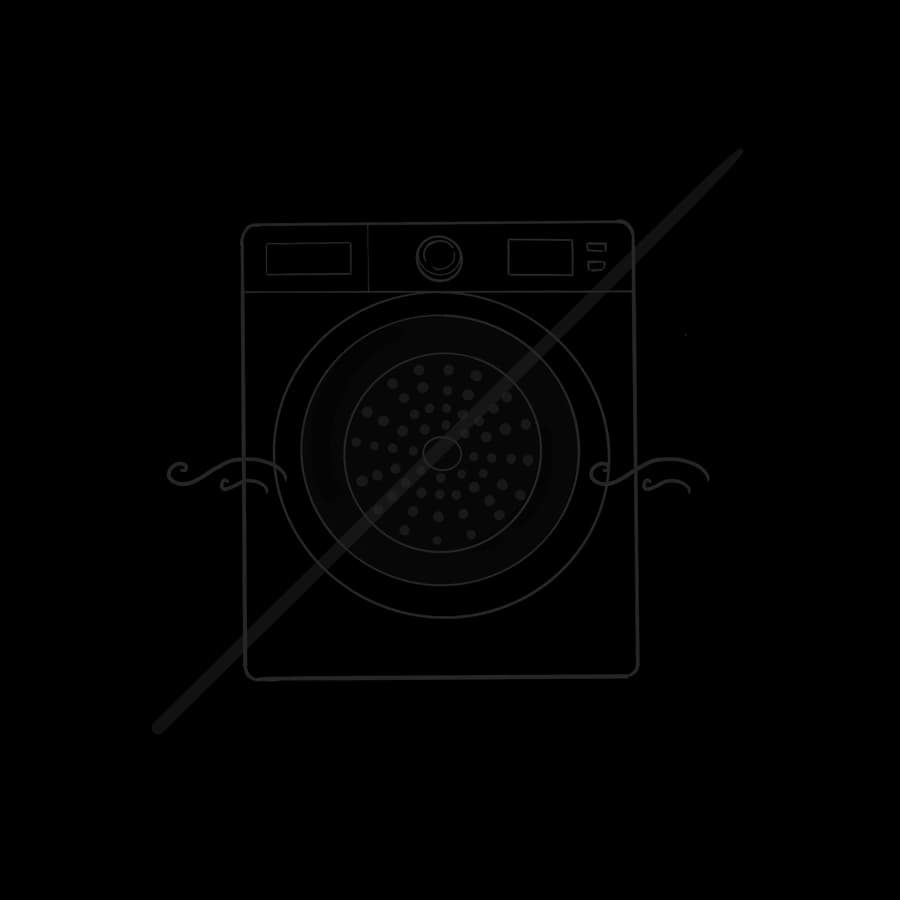
This is the rule people break, and it is the one with no recovery. Heat and tumbling felt merino permanently and shrink the rib out of a cotton cuff. One cycle can undo a pair.
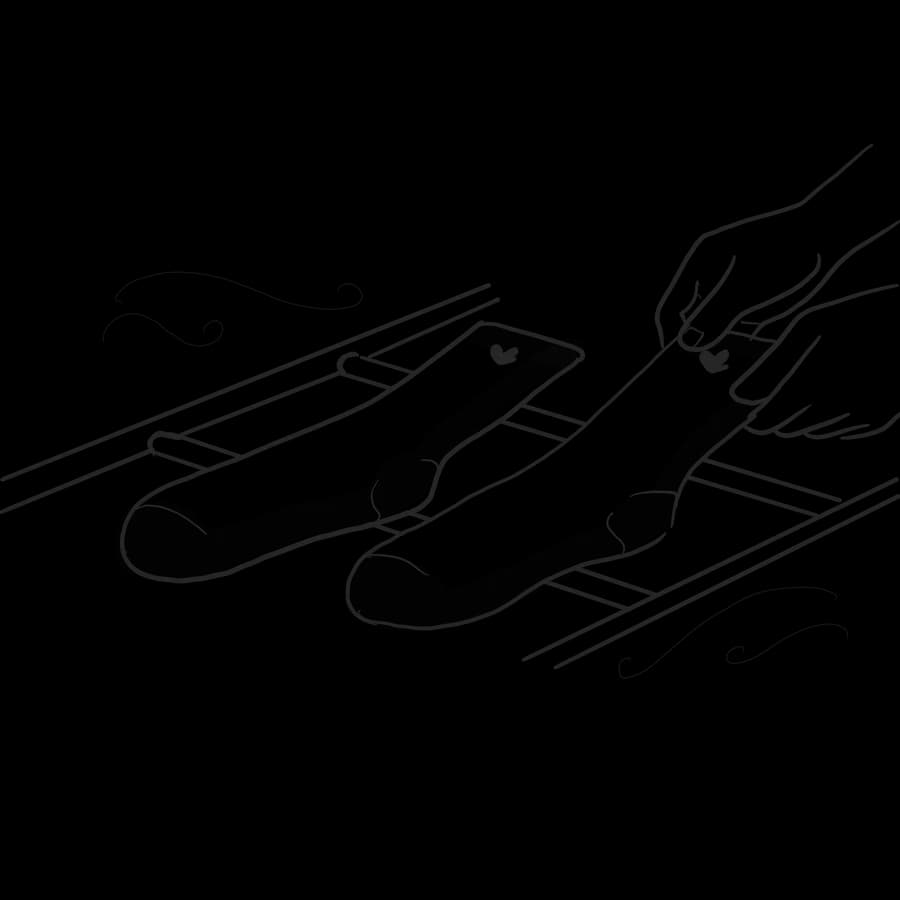
Reshape the foot and the cuff while they are damp and lay them flat. Hanging a wet sock by its cuff is how a cuff learns to be loose. Direct sun will take the colour out of a naturally dyed yarn faster than any wash will.
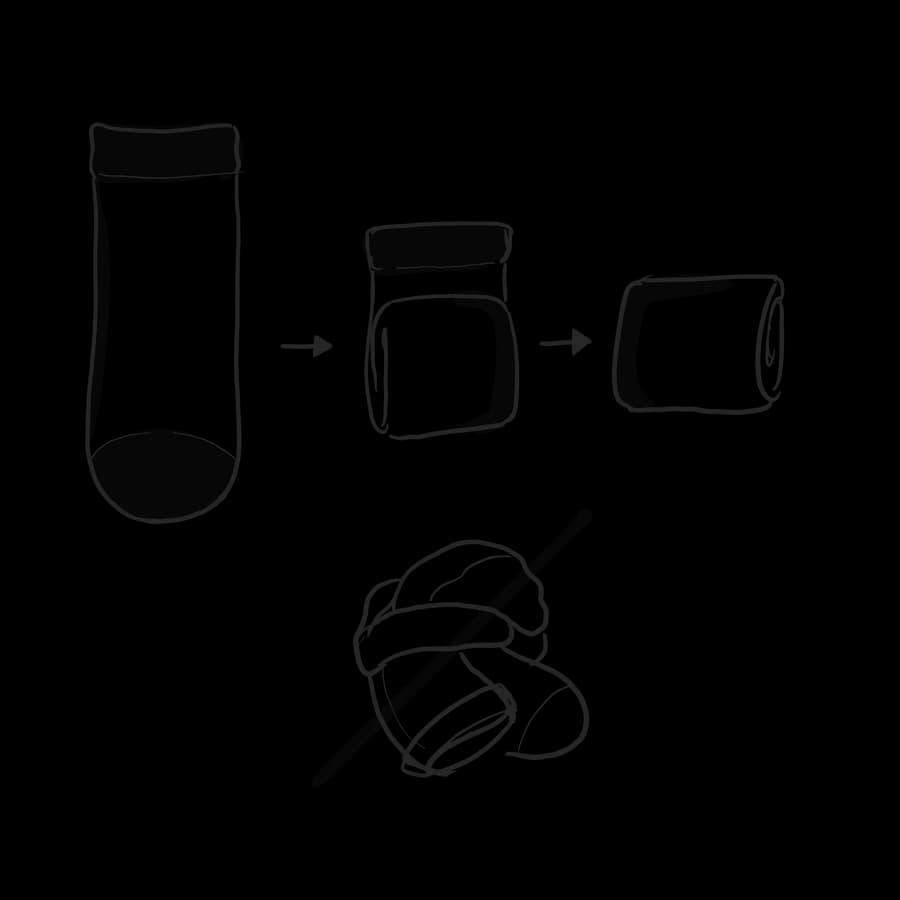
Lay one on top of the other, fold in thirds, and put them away as a pair. The bundle-knot, where the cuff of one is stretched over both, is convenient for about a week and permanently ruins the cuff that did the work.
| Material | Wash | Dry | Watch for |
|---|---|---|---|
| Organic cotton | 30°C, gentle, inside out | Flat, in shade | Do not iron the sole |
| Merino blends | Cold wool cycle, wool detergent | Flat, reshaped, out of sun | Never tumble: the fibre felts |
| Gripped soles | 30°C, inside out, always | Flat, grip facing up | Never iron, never tumble |
| The Gulnaar Collection | Hand wash cold, alone | Rolled in a towel, then flat | Naturally dyed: wash separately for the first three washes |
Every pair reaches an end. Do not put them in the bin. Send them back. Everyday subscribers return a year of socks for account credit; anyone else can post a parcel to the factory and we will sort them for re-wear or shred them into wiping cloth for the floor.
Still not sure about a specific pair? Ask us. The people who answer are the people who knitted them.